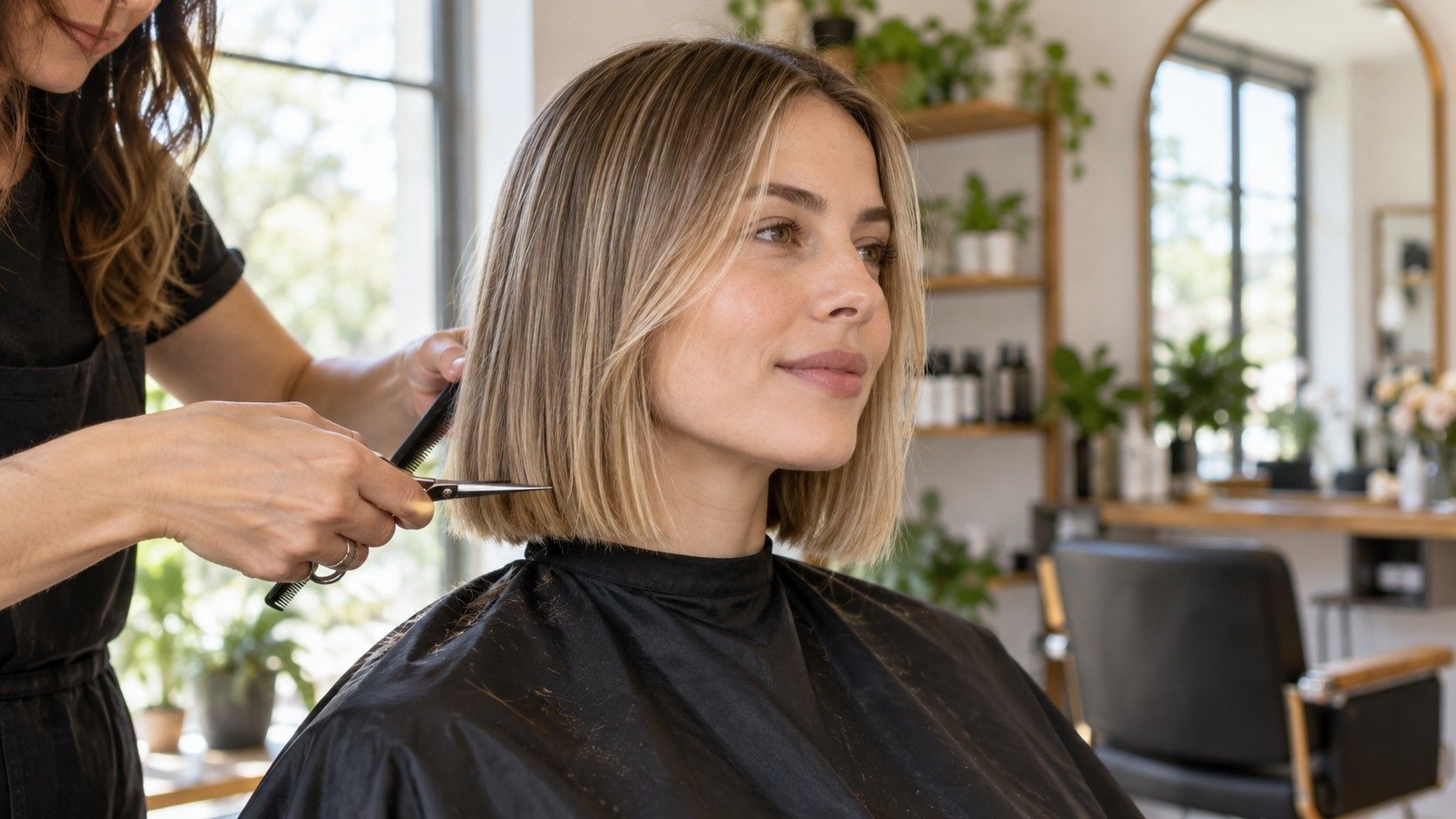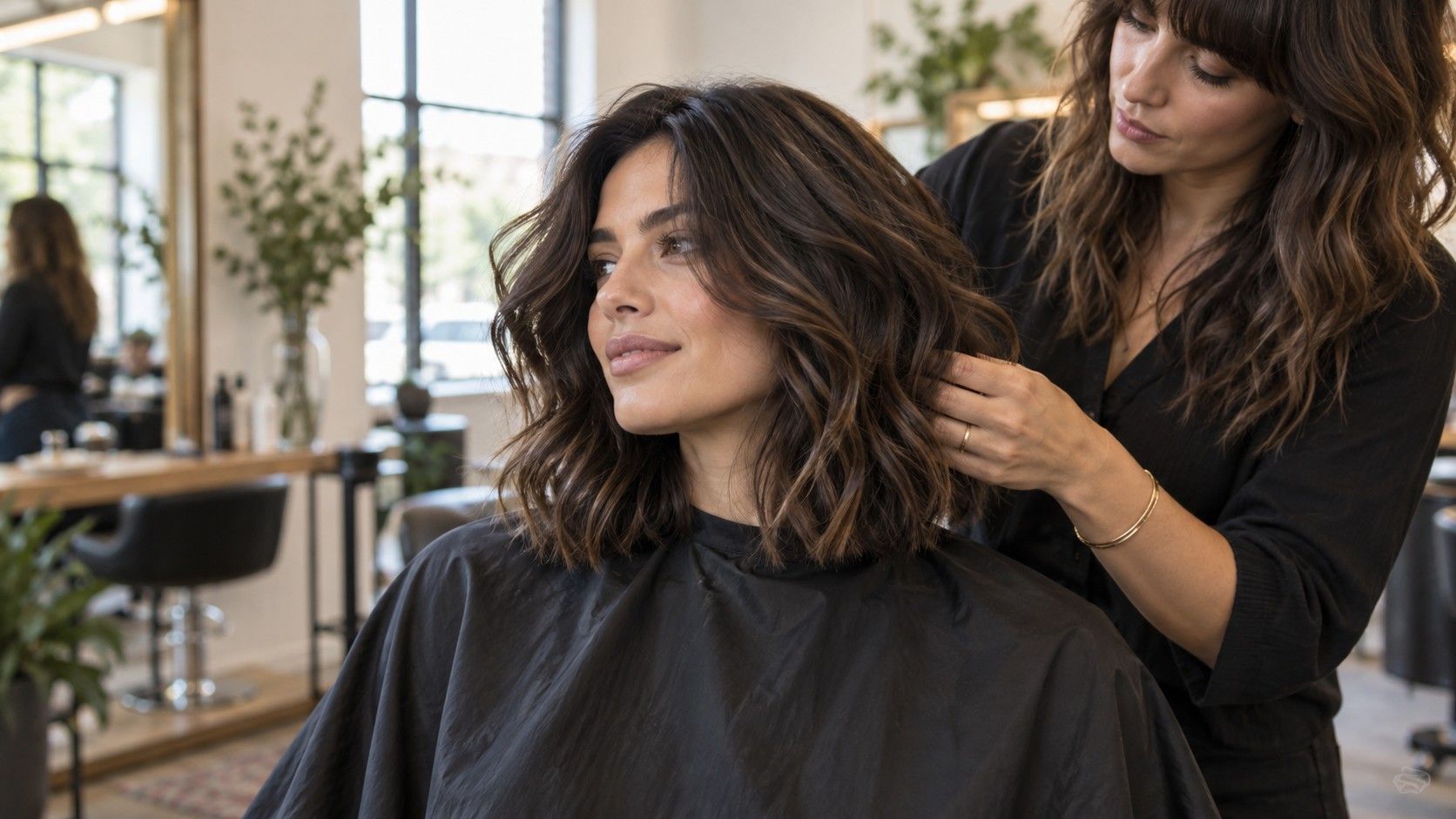
A low-maintenance cut is not a haircut that ignores you for six months and somehow stays perfect. It is a shape that can tolerate an ordinary Tuesday: damp hair, a rushed shower, a wool hat, and no spare twenty minutes with a round brush. I have learned to judge these cuts by the fourth week, not by the salon mirror on day one.
Start with the part of your routine you actually skip
People often arrive asking for low maintenance haircuts when they mean different things. One person does not want to blow-dry. Another hates booking a trim every four weeks. Someone else wants to tie hair back before a gym class without loose pieces falling into their face. Those are separate problems, and a good cut solves the right one instead of promising a magical wash-and-go life.
Choose a shape that has a calm grow-out phase
Look at your last seven mornings before choosing a shape. If you wash at night and wake with a flat crown, a very blunt bob may need more rescue than you expect. If you air-dry curly or wavy hair, a little room in the outline can be kinder than a strict geometric line. Low maintenance hairstyles work best when the cut follows your texture rather than asking you to fight it every day.
Let your wash-day habits set the rules
There is also a useful distinction between quick styling and infrequent upkeep. A close crop may take two minutes in the morning, then need a regular neckline cleanup. Long hair can go longer between appointments, yet detangling and drying may take far more time. Neither choice is morally better. The useful question is where you are willing to spend the effort.
The safest grow-out shapes tend to have soft edges. A collarbone lob with a slightly lived-in perimeter can stretch beyond the neat six- or eight-week mark without looking as if the plan vanished. Long layers also age well when they begin low enough to keep the bottom line from thinning out. The trick is restraint: too many short layers may look lively on appointment day and turn into a puffed-out shelf later.
A one-length cut has its own appeal, especially on straighter hair. It can look clean with very little styling, but it exposes every change in length at the ends. If your hair bends at the shoulder, the ends may flick outward at precisely the point where the cut reaches that line. That is not a disaster, but it is worth mentioning before the stylist commits to a sharp shoulder-length edge.
Face-framing pieces can make regrowth feel deliberate when they are long enough to tuck behind the ears. I would be cautious about asking for dramatic short pieces simply because a reference photo looks good with a blowout. The same pieces can become the first thing you clip back when they lose their shape. A soft transition around the cheekbone is usually easier to live with than a hard, short step.
| Cut direction | Usually easy about | Watch for |
|---|---|---|
| Collarbone lob | Air-drying and gradual grow-out | Ends flipping at the shoulder |
| Long, low layers | Keeping length while adding movement | Over-layering on fine hair |
| Blunt mid-length cut | Simple styling on straight hair | A sharper line when overdue for a trim |
| Soft shag shape | Natural wave and a less formal finish | More styling around the crown and fringe |
Be honest about the price of bangs
Fringe is where the phrase low maintenance often gets stretched past recognition. A soft fringe can be lovely, but it sits at the front of your face where oil, weather, glasses, and a bad night's sleep all show up quickly. Even people who wash their hair twice a week often end up rinsing or restyling the fringe on the days in between.
That does not mean avoiding bangs altogether. Curtain bangs that start around the cheekbone are more forgiving than a heavy straight line over the eyebrows. They can grow into face-framing layers, fit into a ponytail more easily, and do not demand a ruler-straight finish. I would still ask what they look like after air-drying, not only after the stylist has shaped them with hot tools.
If you love the idea of a shorter fringe, agree on a maintenance plan before the cape goes on. Can you trim it at home, return for a quick fringe service, or tolerate it growing past the point you first liked? A bang that needs attention every two weeks is perfectly reasonable for someone who enjoys the ritual. It is a poor bargain for someone who already postpones hair appointments.
Texture changes the answer more than most inspiration boards admit. Fine straight hair can look limp when layered too aggressively, while dense wavy hair may become triangular if every ounce of weight is left in place. A low-maintenance cut does not have to mean one universal silhouette; it means the stylist has considered what your hair does after you stop supervising it.
Bring the version of your hair that you usually live in. If you normally air-dry, do not arrive with a polished salon-style blowout and hope the stylist will guess your natural pattern. If you use a diffuser, say so. If you straighten only for weddings, say that too. The consultation becomes much more useful when the person cutting your hair can see the actual starting material.
Products matter, though they cannot repair a mismatched cut. A little leave-in conditioner may make a wavy lob easier to comb; a light mousse can keep a short cut from collapsing at the crown. But a routine that needs five products and a diffuser every morning is not low maintenance for most people. Ask for a demonstration using the fewest steps possible, then decide whether those steps fit your life.
Use the appointment to prevent a future argument with your mirror
Reference photos are helpful when you explain what you like about them. Pointing at one picture and saying this leaves too much room for wishful thinking. Say whether you want the neckline, the volume at the crown, the ease of tucking it behind your ears, or the way the ends look after a few months. Two photos of the same lob can have very different amounts of hidden styling behind them.
I would ask for the least demanding version of the shape first. Ask where it will hit your shoulder, whether the fringe can be pinned back, and what will happen after eight or ten weeks. A stylist who answers plainly is more useful than one who says every idea will be easy. They may suggest keeping more weight, raising the length a little, or making the layers subtler. Those small compromises often save the cut.
Before you leave, watch how the hair behaves after the final brush-out. If it only works when every strand is placed carefully, say so while you are still in the chair. The best low maintenance haircuts do not look unfinished when they relax. They look like hair that belongs to a person with other things to do.