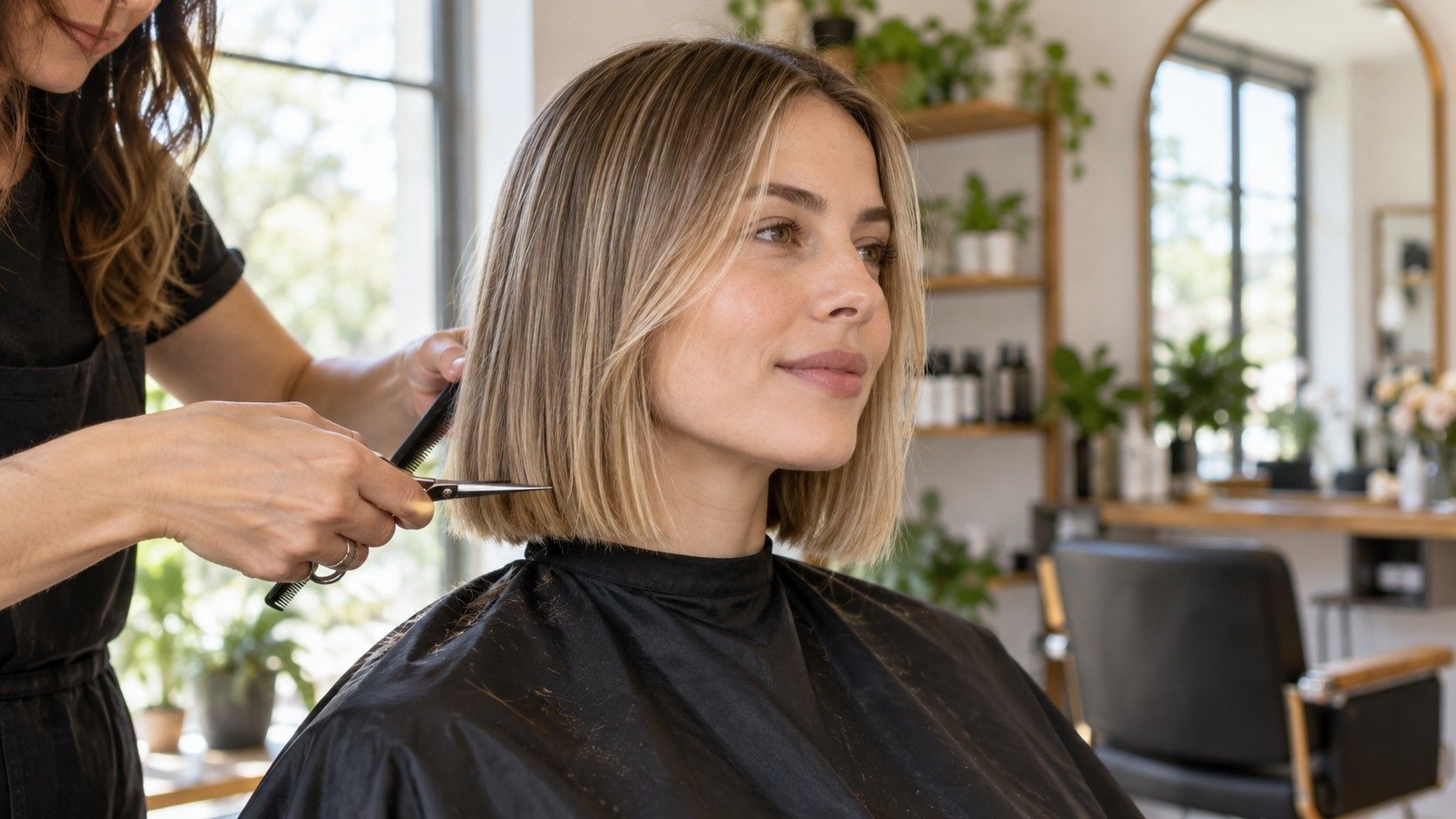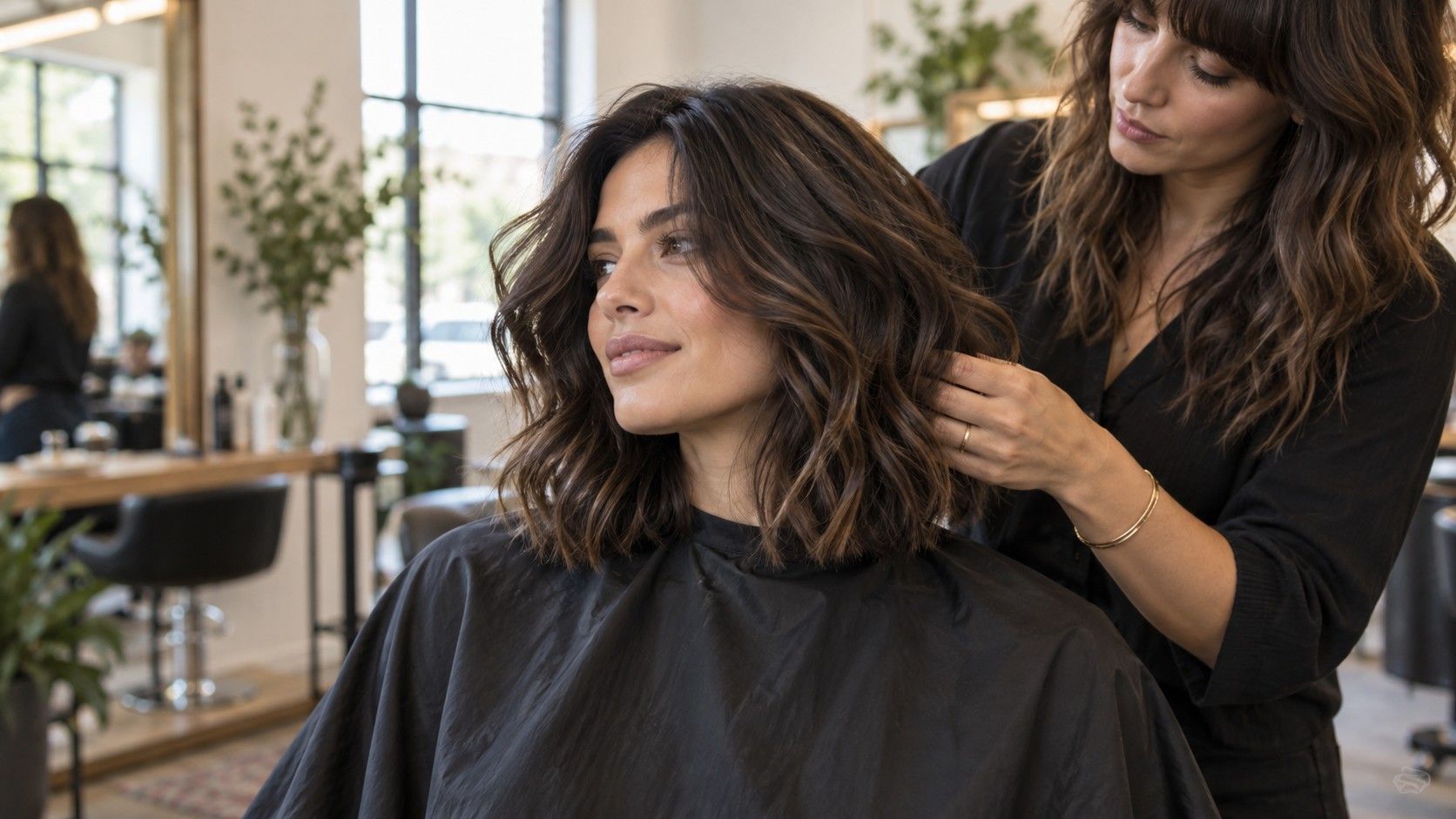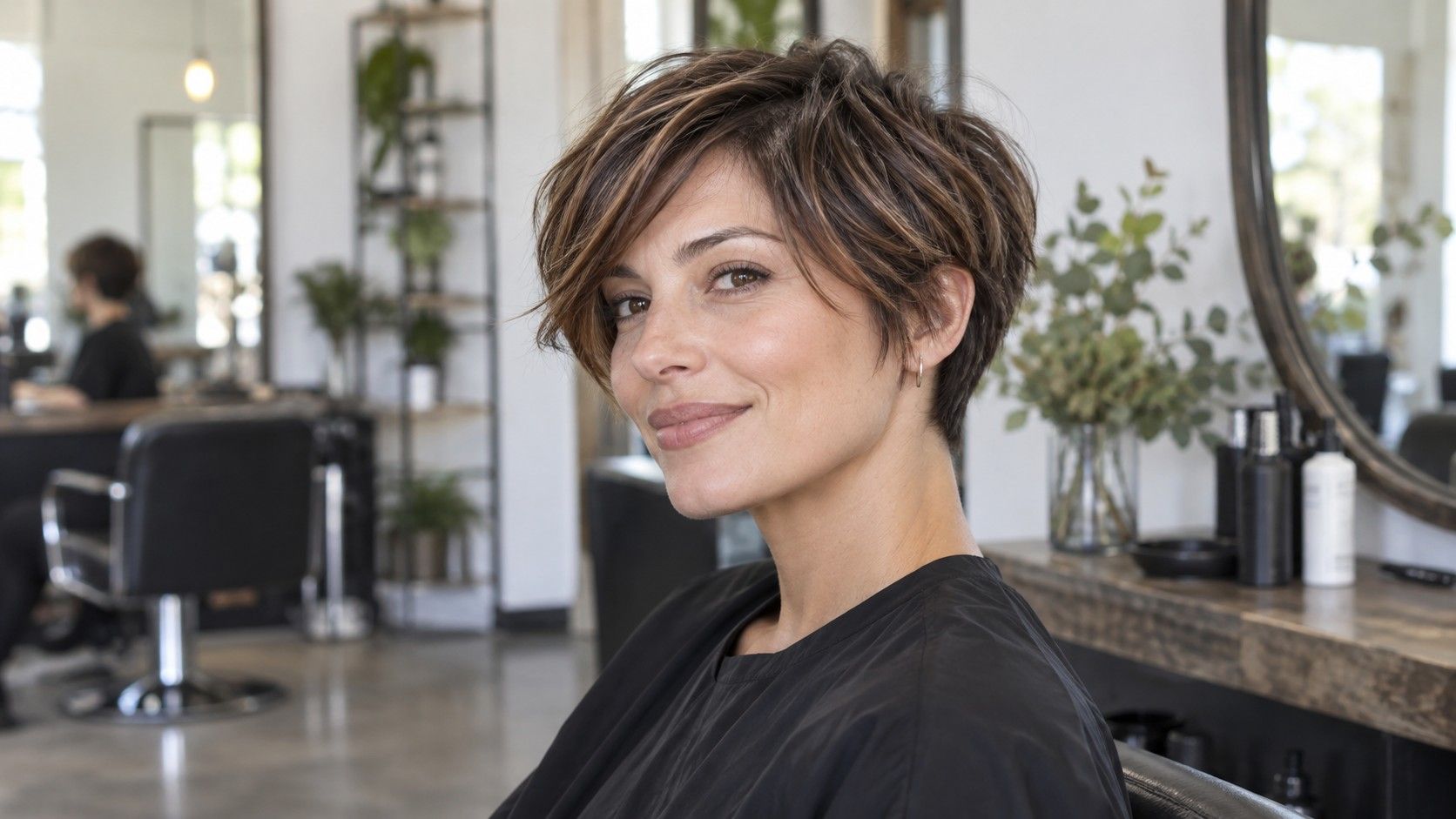
The appealing part of short hair is obvious when you are standing in a warm bathroom with damp hair down your back. The less obvious part arrives a few weeks later, when the neckline has grown in, the fringe has changed its mind, and your usual ponytail is no longer available. Short hairstyles are easiest to enjoy when the choice begins with daily life rather than a dramatic before-and-after photo.
Decide what short hair needs to do on an ordinary morning
A short cut can mean a close crop, a pixie cut, a jaw-length bob, or something in the wide territory between them. They all remove length, but they do not ask the same thing of you. A crop can dry almost immediately and show the neck and ears. A bob gives you more coverage and more options with a brush, while also making its shape visible when the ends turn under or out.
Choose between a pixie and a crop by looking at the neckline
I would start with the moments when hair gets in your way. If you wear a bike helmet, glasses, large headphones, or a winter hat, think about the areas that will be pressed flat. If you need to pin hair back at work, check whether the proposed length reaches behind your ears. People sometimes call a cut impractical when the real issue is that it lost one small habit they depended on.
Plan for the awkward middle before you cut it short
Texture deserves a place in this decision before face shape. Straight, dense hair can make a compact bob look very deliberate. Fine hair may benefit from a shorter internal shape but can also expose a flat crown. Waves and curls bring movement to a crop or bob, although the final length will look shorter once it dries. The best short hairstyles are the ones that leave room for your actual texture to appear.
A pixie cut usually keeps some length through the top and around the fringe, which lets you change the direction with your hands or a little product. It can look soft, piecey, or polished depending on how it is cut. A crop is often closer around the head, especially at the sides and back. It gives a cleaner outline, but the neckline becomes part of the look sooner as it grows.
The easy mistake is assuming that the shorter option always means less work. A close crop can be very quick to style, yet it may need a trim every three to five weeks if you want the shape to stay sharp. A longer pixie often gives you a little more breathing room, especially when the back is not cut too tightly. Ask where the stylist expects it to feel bulky first. That answer tells you more than a glamorous photo does.
Consider how you want the top to behave without heat. A long sweeping fringe can make a pixie feel versatile, but it needs enough natural direction to stay out of your eyes. If your front hair springs forward or separates in several directions, a shorter textured fringe may be easier. There is no need to force a side part that disappears the moment you leave the salon.
| Style | Daily reality | Appointment rhythm |
|---|---|---|
| Close crop | Fast washing and quick styling; neckline stays visible | Often every 3 to 5 weeks |
| Long pixie | More movement through the top and fringe | Often every 5 to 7 weeks |
| Jaw-length bob | Can tuck behind ears and change with a parting | Often every 6 to 9 weeks |
| Soft French-style bob | Relaxed finish works with some natural bend | Depends on fringe and neckline detail |
Pick a bob by its length, not by its label
Bob is a useful word but a vague one. A bob at the mouth, the jaw, and the collarbone creates three different routines. The shortest version can make a strong line around the face and may need regular reshaping. A chin or jaw-length bob often tucks behind the ears, though that depends on density and the amount of layering. A longer bob gives more security if you are nervous about losing the option to tie it back.
The shoulder line deserves special attention. Hair that lands exactly there tends to bend because the shoulder pushes it outward. On some people that creates a casual, easy finish. On others it becomes the daily reason to reach for a dryer. Moving the cut just above or just below that point can change the result more than adding another layer.
Blunt ends make a bob look solid and intentional, particularly on fine or straight hair. Soft texture at the ends can make a dense bob feel less heavy, but too much texturizing may leave the perimeter wispy after a few washes. I would ask the stylist to show the shape with the hair in motion. A bob should still make sense when you turn your head, not only from the exact angle of the chair.
Every short cut eventually becomes a medium cut, and that transition is easier when the first cut has a plan. The back of a pixie usually gains weight before the front looks long enough to balance it. A very tight neckline can grow into a shelf. A bob may start catching on collars or curling at the jaw. None of this means the haircut failed; it means hair grows at different rates in different places.
If you know you may want longer hair within a year, say that clearly. A stylist can leave a little softness at the nape, avoid cutting the sides too close, and choose a fringe that can become a face-framing layer. These choices may make the first day slightly less dramatic, but they reduce the months when the only solution seems to be clips and patience.
Short hair also changes how often you notice a missed appointment. With long hair, an extra two weeks may disappear into the length. With a crop, it can change the whole silhouette. Put the likely trim frequency in your calendar and consider the cost before committing. That is not a reason to avoid short hair; it is simply part of the haircut, like shampoo or shoes that fit.
Bring references that explain the decision, not just the picture
Bring two or three photos with different light, hair textures, and angles. One front-facing image is rarely enough. The back and side view show the neckline, the weight around the ears, and whether the cut relies on a styled crown. It also helps to bring one photo of your own hair on a normal day. That lets the stylist compare an idea with the hair they will actually cut.
Tell them what you do not want as plainly as what you do. You may dislike a visible undercut, a fringe touching your eyebrows, exposed ears, or volume at the sides. Those are practical preferences, not signs that you are being difficult. Short haircuts for women are often sold as bold transformations, but the most successful one may be the cut that makes getting dressed feel less fussy.
Before the appointment ends, ask how the style should look after air-drying and how it will change over the next month. A useful answer includes a small warning, such as the crown needing a quick blast of air or the fringe needing a damp reset. That kind of honesty is more reassuring than a promise that every morning will look like the salon.